Does Getting a Tattoo Hurt? A Practical Guide to Tattoo Pain
Tattoo pain is difficult to describe with a single number because the experience varies considerably from person to person. The placement, design, technique, session length, your physical condition and even your mood on the day can all affect how the tattoo feels.
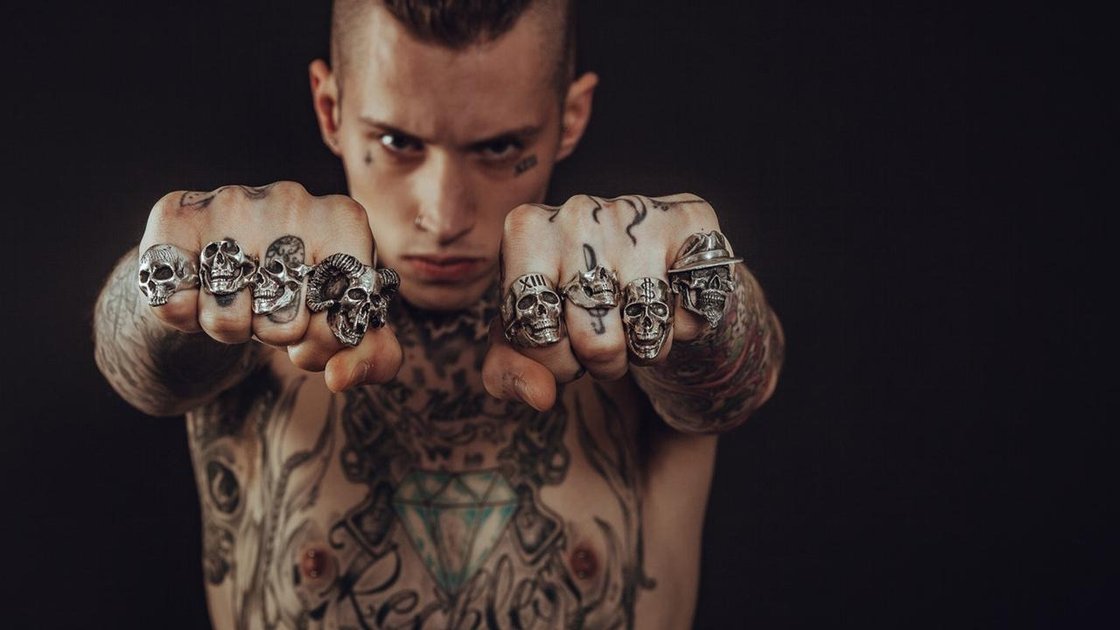
At Inkrete Tattoo Studio, we have worked with first-time clients who were surprised by how manageable the process felt, as well as experienced collectors who found a particular placement more difficult than expected.
This guide explains what tattoo pain feels like, which areas tend to be more sensitive and what you can do to make the experience more comfortable.
What Does Tattoo Pain Feel Like?
A tattoo machine repeatedly deposits ink into the skin using needles moving at high speed. Because the sensation is continuous rather than a single needle prick, tattoo pain feels different from an injection or blood test.
Clients commonly describe it as:
- A sharp scratching sensation
- A persistent stinging or burning feeling
- A vibration over bony areas
- A hot or irritated feeling after an area has been worked repeatedly
- A deeper ache during heavy shading or color packing
The sensation can also change throughout the tattoo.
Outlining may feel sharper and more precise. Shading can feel broader. When an artist returns to an area that has already been tattooed, it may feel more sensitive because the skin is no longer fresh.
For many people, the first few minutes feel the most intimidating. Once the initial surprise passes, the body and mind often settle into the experience.
How Painful Is a Tattoo?
There is no universal answer.
For one person, a forearm tattoo may feel like a mild scratch. For another, the same placement may be distinctly uncomfortable. Neither experience is unusual.
Most tattoo pain is temporary and manageable. It tends to come in waves rather than remaining at one fixed intensity throughout the appointment.
A smaller tattoo in a comfortable placement may be over before the discomfort becomes tiring. A long tattoo session can become more challenging even if the placement itself is not considered especially painful.
The most useful question is therefore not simply, “Will it hurt?” It is:
What factors are likely to influence my particular tattoo experience?
Tattoo placement
Placement is one of the strongest influences on how a tattoo feels.
Areas with less padding over the bone, a high concentration of nerve endings, thin skin or frequent movement tend to be more sensitive. Areas with more stable skin and natural cushioning are often easier for many clients.
However, “fleshy means painless” is not a reliable rule. Some soft areas such as the inner arm, armpit and parts of the torso can be extremely sensitive.
Individual pain tolerance
Pain tolerance differs between people.
It can also differ within the same person from one appointment to another. A placement that felt manageable during one tattoo may feel more difficult on a day when you are tired, anxious, hungry or unwell.
Comparing your experience with a friend’s is therefore not particularly useful. Their tattoo, body and circumstances were different from yours.
Session length
Pain often becomes harder to manage as a session continues.
During a short tattoo, the body may remain relatively relaxed throughout. During a long session, the skin becomes increasingly irritated, the body becomes tired and maintaining one position can create additional discomfort.
For this reason, the final hour of a long appointment may feel more demanding than the first even when the artist is working on the same general area.
Tattoo style and technique
Different parts of a design can create different sensations.
Fine outlines may feel sharp but move relatively quickly. Bold lines require more saturation and can feel stronger. Dense shading, solid blackwork and color packing often involve repeatedly working an area until the ink is evenly deposited.
A design requiring several passes over the same skin may therefore feel more intense than a light, minimal tattoo of a similar size.
This does not mean one style is objectively more painful than another. The artist’s technique, design density, placement and duration all interact.
Physical condition
The tattoo experience is usually easier when you are rested, nourished, hydrated and healthy.
Lack of sleep, illness, dehydration, fasting and a hangover can make you feel weaker, more anxious or more sensitive during the session.
Do not attend your appointment while unwell simply because you do not want to reschedule. Tattooing already places stress on the body, and your comfort and healing may be affected when you are not in good health.
Anxiety and tension
Fear can make discomfort feel more intense.
When people become anxious, they often hold their breath, tense their muscles or focus closely on every sensation. This can make the tattoo harder to tolerate and may also make it more difficult to remain still.
You do not need to pretend that you are not nervous. Tell your artist. A calm explanation of what is happening, a comfortable position and steady breathing can make a meaningful difference.
Which Tattoo Placements Hurt the Most?
Pain charts should be treated as broad guidance, not as a guarantee.
Placements many people find more manageable
These areas often have relatively stable skin and some natural cushioning:
- Outer upper arm
- Outer forearm
- Shoulder
- Calf
- Outer thigh
- Upper back
A first tattoo is often easier when placed in one of these areas. That does not mean these placements are painless.
Placements with moderate or variable discomfort
Experiences differ considerably in areas such as:
- Inner forearm
- Chest
- Lower back
- Neck
- Kneecap area
- Elbow area
- Wrist
- Ankle
Placements many people find more painful
These areas commonly have thin skin, less cushioning, greater nerve sensitivity or close contact with bone:
- Ribs
- Spine
- Armpit
- Inner upper arm
- Inner thigh
- Knees and kneecaps
- Elbows
- Feet
- Head and face
Some of these placements can also be technically demanding or harder to heal because of movement, friction and daily use.
Do not choose or reject a placement based only on pain. The composition, ageing, visibility and healing requirements are equally important. Your artist can help you evaluate the complete picture.
Do Large Tattoos Hurt More Than Small Tattoos?
Not necessarily at any single moment, but they usually require more endurance.
A large tattoo does not automatically create a more intense needle sensation. The main difference is time. Longer sessions involve:
- More cumulative skin irritation
- Repeated work over nearby areas
- Fatigue from sitting or lying in one position
- Greater mental exhaustion
- More frequent changes in sensitivity
A small tattoo in a highly sensitive placement may feel sharper than a large tattoo on the outer thigh. The larger piece may still be more demanding overall because the session lasts much longer.
Large projects are often divided into multiple appointments so that the artist and client can work effectively without pushing the skin or body beyond a sensible limit.
Does Color Hurt More Than Black Ink?
Ink color itself does not determine pain.
People sometimes say color hurts more because color packing may happen later in the session, after the area has already been outlined and shaded. By that stage, the skin is irritated and the client is more tired.
The same applies to solid blackwork.
Does Fine-Line Tattooing Hurt Less?
Fine-line tattoos may feel lighter when the design is small and uses minimal shading, but “fine line” does not automatically mean painless.
The placement, level of detail, number of passes and session length still matter. A detailed fine-line tattoo on the ribs may be more uncomfortable than a bold tattoo on the outer arm.
Fine-line work also requires precision. Even when the sensation is mild, remaining completely still is important.
How to Make a Tattoo Hurt Less
You cannot remove every sensation, but good preparation can make the experience easier.
Sleep properly
Get a full night’s rest before the appointment.
Fatigue can reduce patience, increase tension and make a long session feel much harder.
Eat before the session
Have a proper, balanced meal approximately one to three hours before your appointment.
Do not arrive fasting. At the same time, avoid eating so heavily that you feel uncomfortable while sitting or lying down.
Bring a simple snack for a long appointment.
Stay hydrated
Drink water normally in the days leading up to your tattoo.
There is no need to force yourself to drink an excessive quantity immediately before the session.
Avoid alcohol and recreational drugs
Do not drink alcohol before your appointment or arrive hungover.
Alcohol may contribute to dehydration, impaired judgement and increased bleeding. We will not tattoo a client who is intoxicated.
Recreational drugs can also affect judgement, anxiety, circulation and your ability to give valid consent.
Wear suitable clothing
Wear clean, loose clothing that gives your artist easy access to the placement without requiring you to hold an uncomfortable position unnecessarily.
Poorly chosen clothing can create avoidable tension and make breaks more complicated.
Use distraction
Music, conversation, a podcast, a film or a book can help prevent you from focusing continuously on the sensation.
Bring earphones if you prefer your own entertainment. Make sure your device is charged and can be used without interfering with your position.
Breathe steadily
Avoid holding your breath.
Slow, regular breathing helps your muscles remain relaxed. If you notice yourself tensing, unclench your jaw, lower your shoulders and deliberately relax the area that is not being tattooed.
Ask for a break when you need one
There is no prize for suffering silently.
Tell your artist if you feel faint, nauseated, overwhelmed or unable to remain still. A short, well-timed break is better than suddenly moving or reaching the point where the session cannot continue safely.
At the same time, too many long breaks can allow the body to cool down and make restarting feel more difficult. Work with your artist to use breaks sensibly.
What If You Feel Faint?
Some clients feel light-headed because of anxiety, fasting, dehydration, exhaustion or the sight of blood.
Warning signs may include:
- Sweating
- Nausea
- Dizziness
- Ringing in the ears
- Blurred or narrowing vision
- Feeling unusually weak
Tell your artist immediately.
Do not try to hide it or stand up quickly. Your artist can stop the session, help you remain in a safe position and give you time to recover.
Eating beforehand greatly reduces the likelihood of feeling weak, but faintness can still occur particularly when someone is highly anxious.
Can You Use Numbing Cream for a Tattoo?
Do not apply numbing cream without discussing it with your tattoo artist first.
Numbing products vary significantly in their ingredients, strength and quality. Some can irritate the skin, change its texture, wear off unpredictably or interfere with the tattooing process.
Should You Take a Painkiller Before a Tattoo?
Do not take medication specifically for your tattoo without appropriate medical guidance.
Some medicines can affect bleeding, bruising or how you feel during the appointment. However, you should never stop or change prescribed medication on your own.
Tell the studio in advance if you take anticoagulants, have a bleeding condition or use medication that may affect tattooing or healing. Speak with the doctor who prescribed it before making any changes.
Your tattoo artist cannot instruct you to discontinue medically necessary treatment.
Is the Pain Worth It?
That is personal, but most clients say the anticipation was worse than the tattoo itself.
The pain is temporary. The tattoo is something you will continue to see long after the session has ended.
The aim is not to prove how much discomfort you can tolerate. The aim is to complete the tattoo safely, accurately and with a result you will be proud to wear.
Final Advice
Tattoo pain is real, but it is usually temporary and manageable.
Do not let dramatic stories or online pain charts make the decision for you. Choose the right artist, prepare properly, communicate honestly and approach the appointment with realistic expectations.
At Inkrete Tattoo Studio, we will explain what to expect based on your design, placement and estimated session length. If you are nervous, tell us during your consultation. We would rather answer your questions beforehand than have you arrive feeling unnecessarily afraid.
For detailed advice on food, sleep, clothing, medication and what to bring, read our complete guide on how to prepare for a tattoo appointment.
How to Prepare for a Tattoo Appointment: A Complete Guide
Getting a tattoo is exciting, but a little preparation can make the experience considerably more comfortable for both you and your artist.
Tattoo Aftercare: The Complete Day-by-Day Healing Guide
Getting a tattoo is only half the journey. The way you care for it during the next few weeks has a huge impact on how well it heals and how vibrant it looks for years to come.